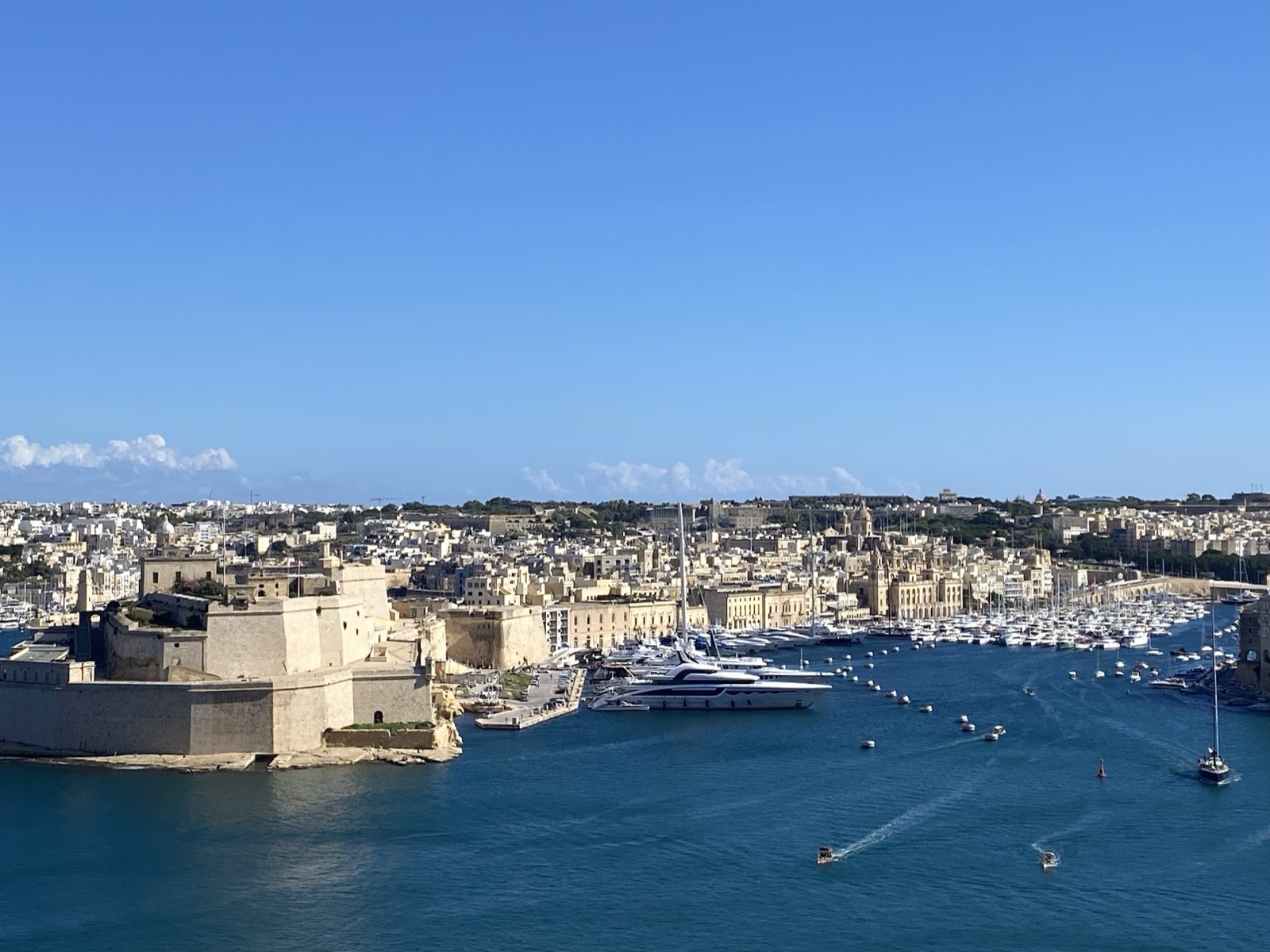
Valletta
We moved the boat a few miles down the coast from Mellieha Bay (where we first landed in Malta) to St. Julian’s Bay.
Initially we were planning to dock in Valletta itself, but there was no space (and no anchoring). But St. Julian’s was just a
short bus ride to Valletta, so it was a good base for exploring Valletta and the island of Malta as well.
Even though the distance wasn’t far, it
took quite some time for the bus to work its way through the crowded traffic.
After getting off the bus, we walked through Valletta’s old town which sits on the peninsula between the two large harbors. We happened across a convent where nuns had lived for many years (there are still a few in residence) completely cut off from the bustling city around them.
Next we visited the National Museum of Archaeology. Malta has had a long string of different groups living in Malta, starting with paleolithic tribes (and continuing to the Phoenicians, Greeks, Romans, Arabs, etc). The museum had gathered many of the interesting artifacts recovered around Malta. Rong was most interested in the pre-Bronze Age civilization. That had built many impressive monuments, from 4000 - 2500 BC. For unknown reasons, this group disappeared and Malta was abandoned until it was re-populated in the Bronze Age.
After the museum we toured the fort that stands impressively high above the harbour. We even waited for the 4:00 firing of the signal gun. Rather than take the bus back to St. Julian’s, we walked from downtown and took the ferry back to the bay. It was a nice walk scarcely taking longer than the morning’s bus ride.
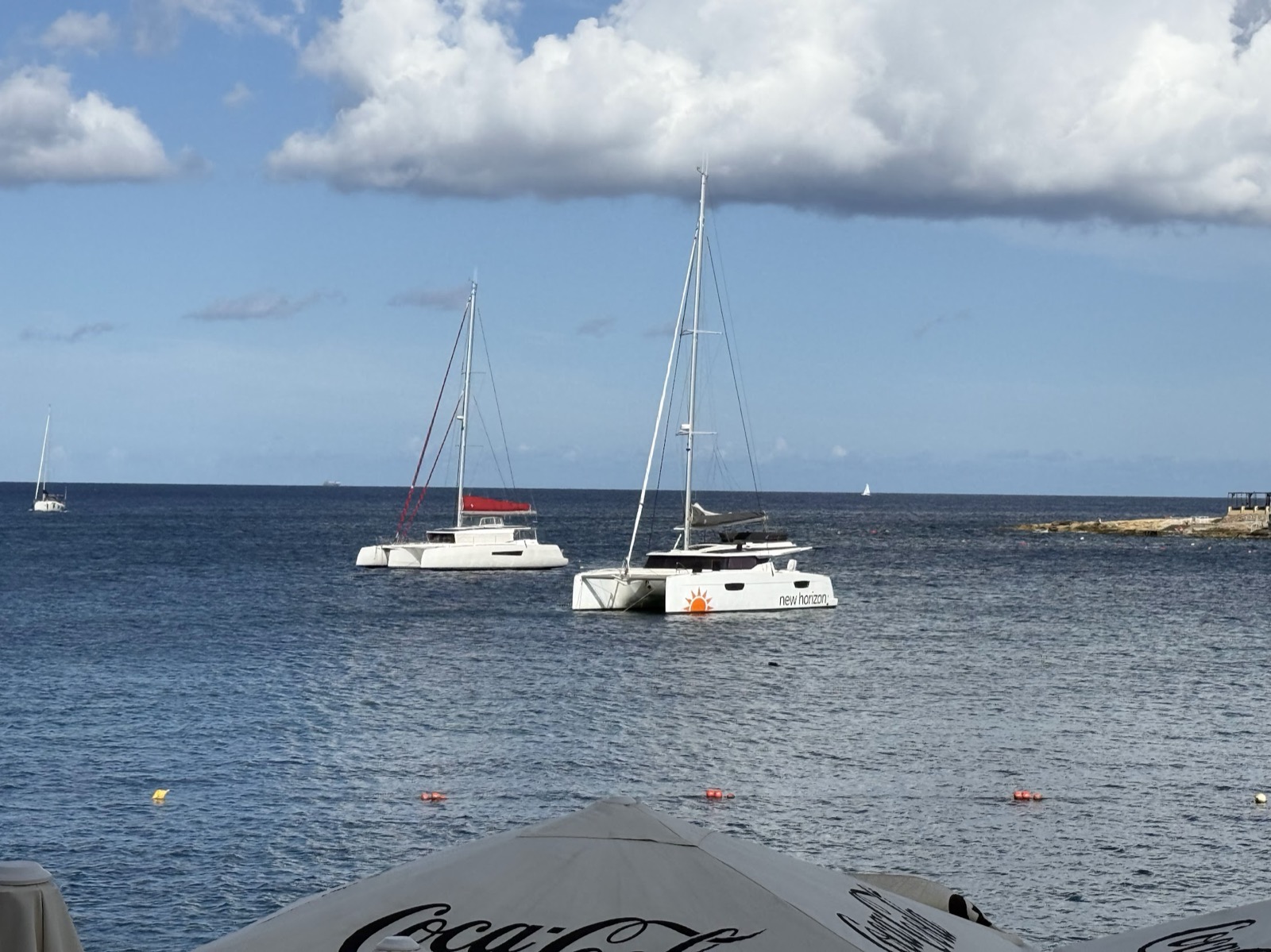
Anchorage at Mellieha Bay (before we moved down to St Julian’s Bay)
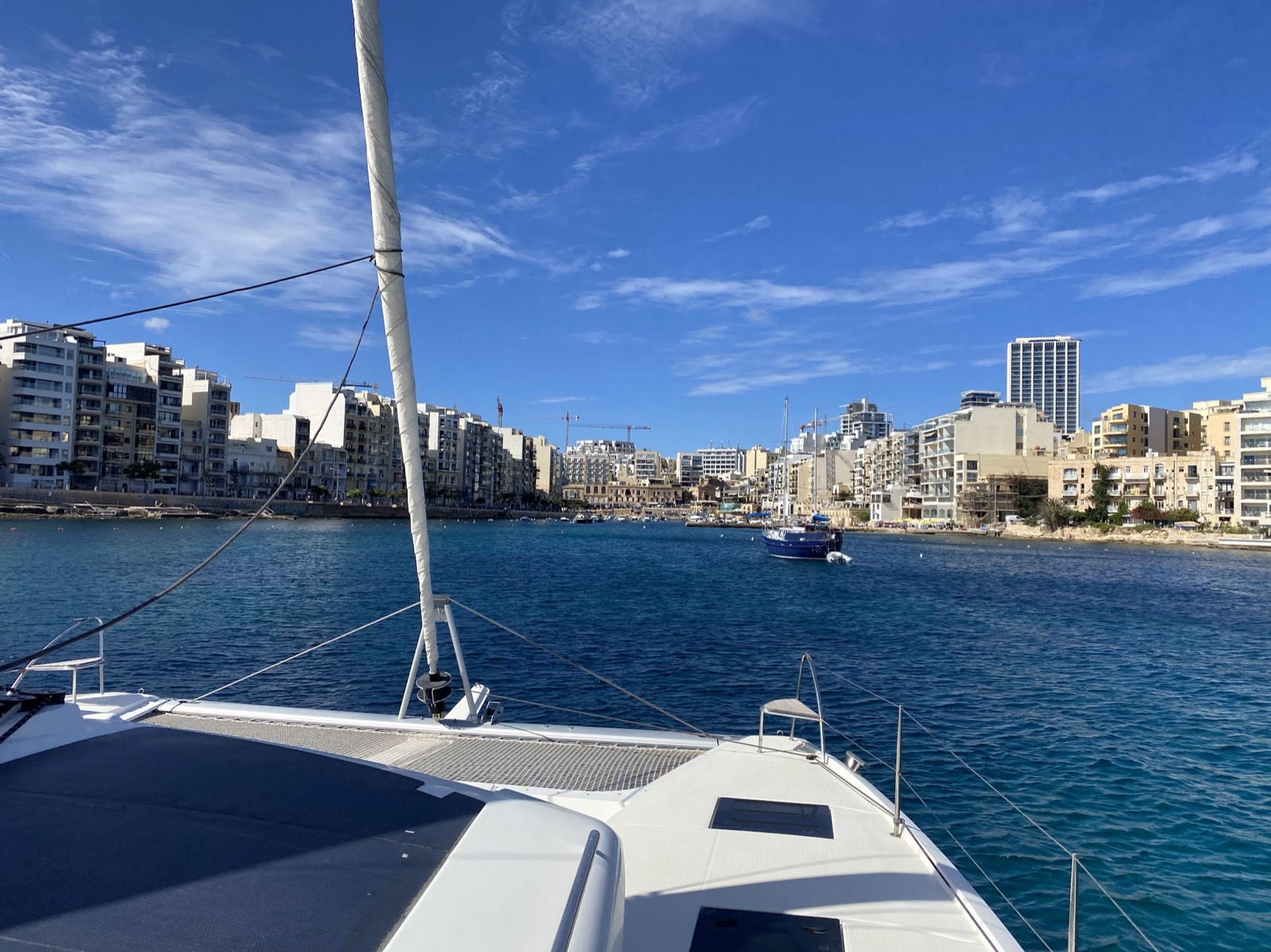
At anchor on St. Julian’s Bay
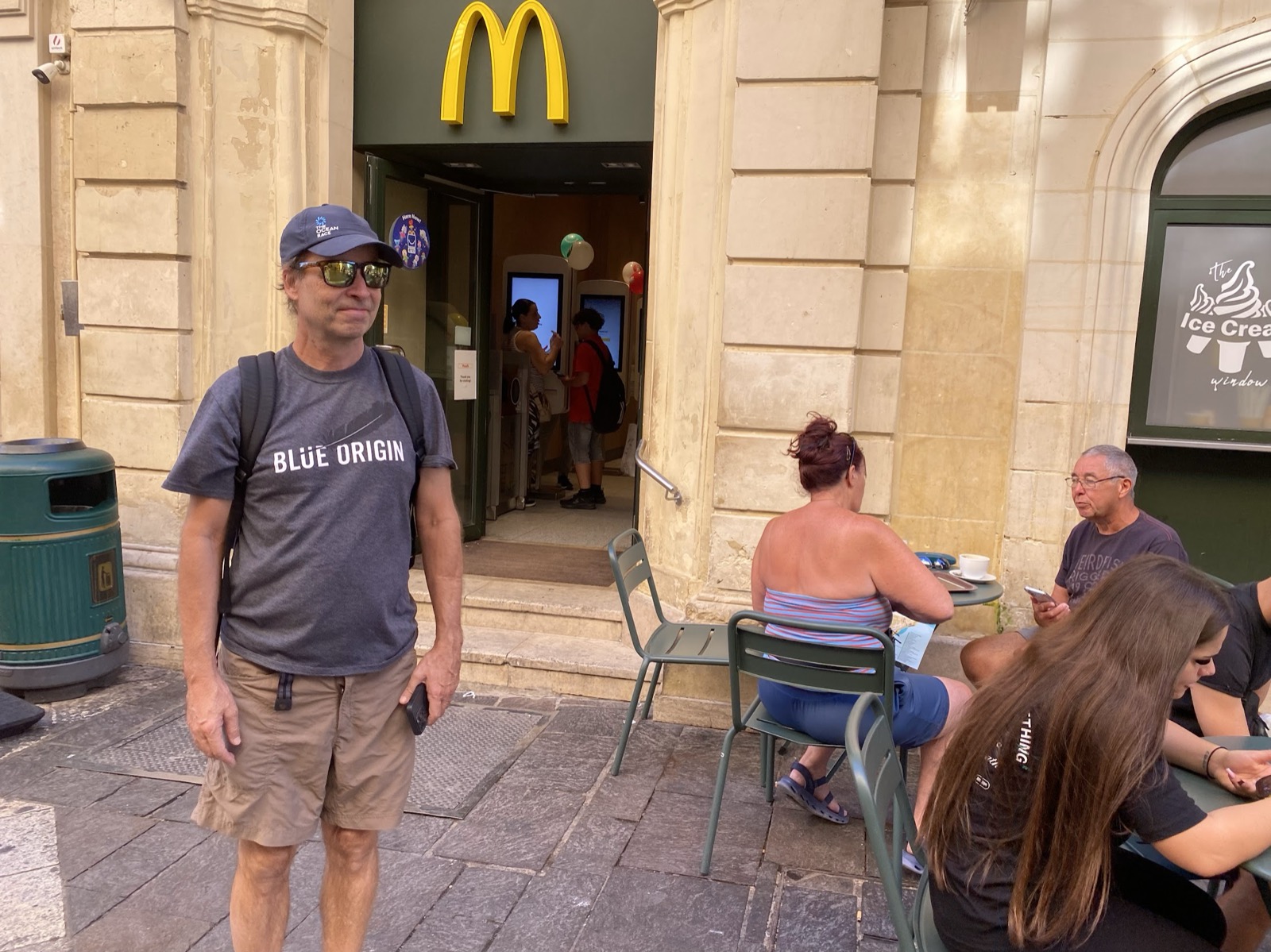
Unlike Tunisia, Malta has McDonald’s!
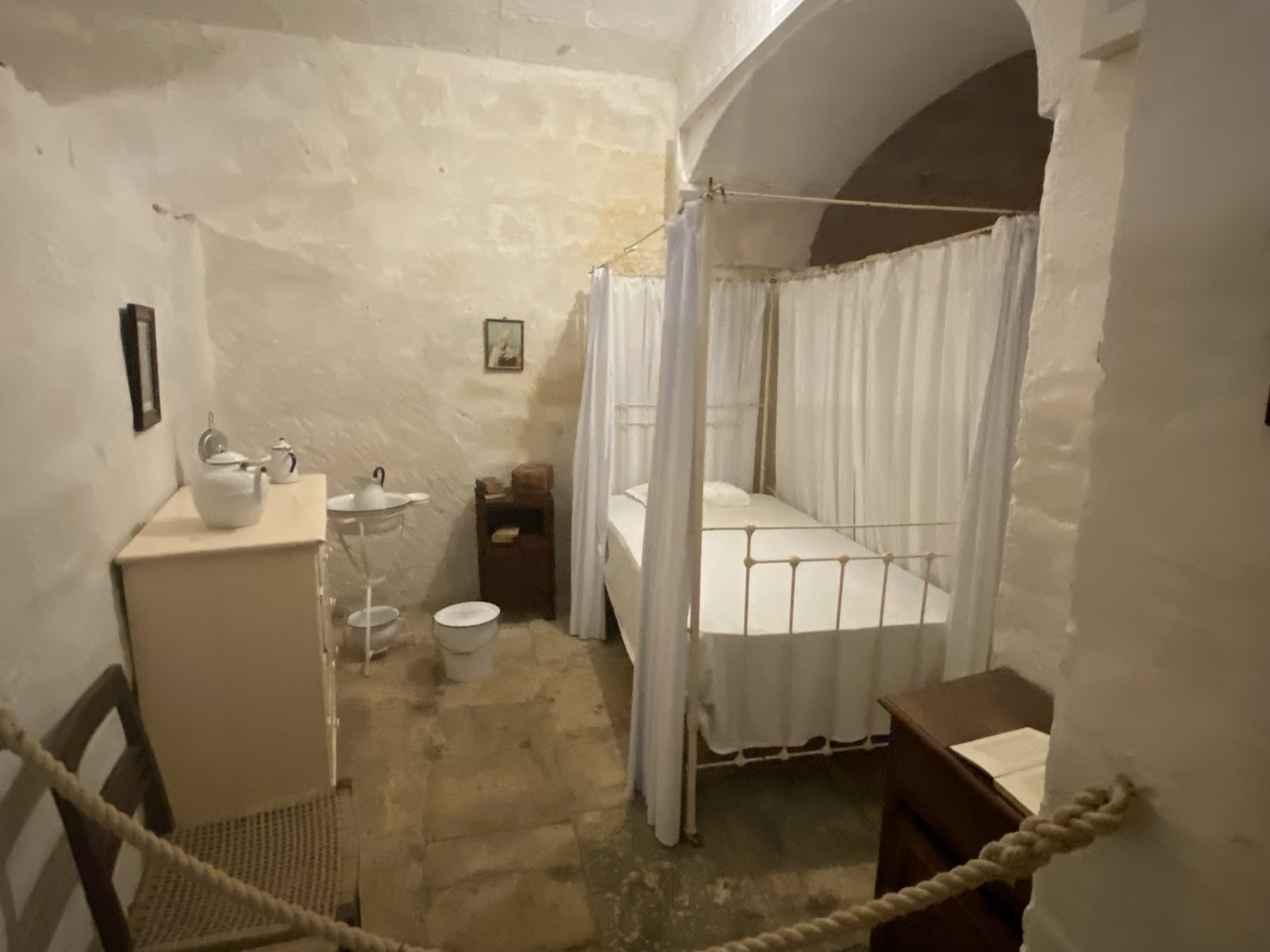
Nun’s room at the convent
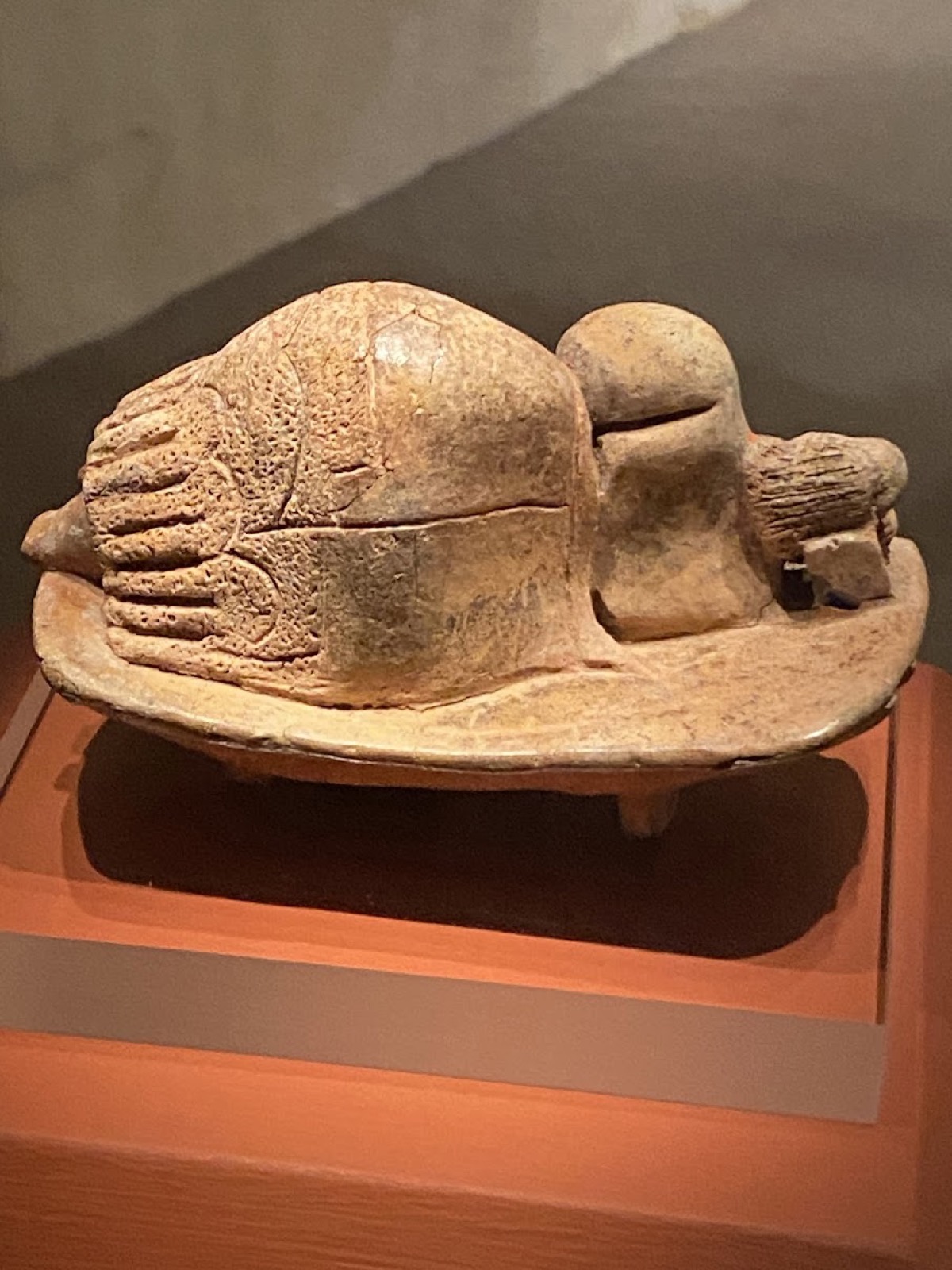
Figurine from ~4000 BC
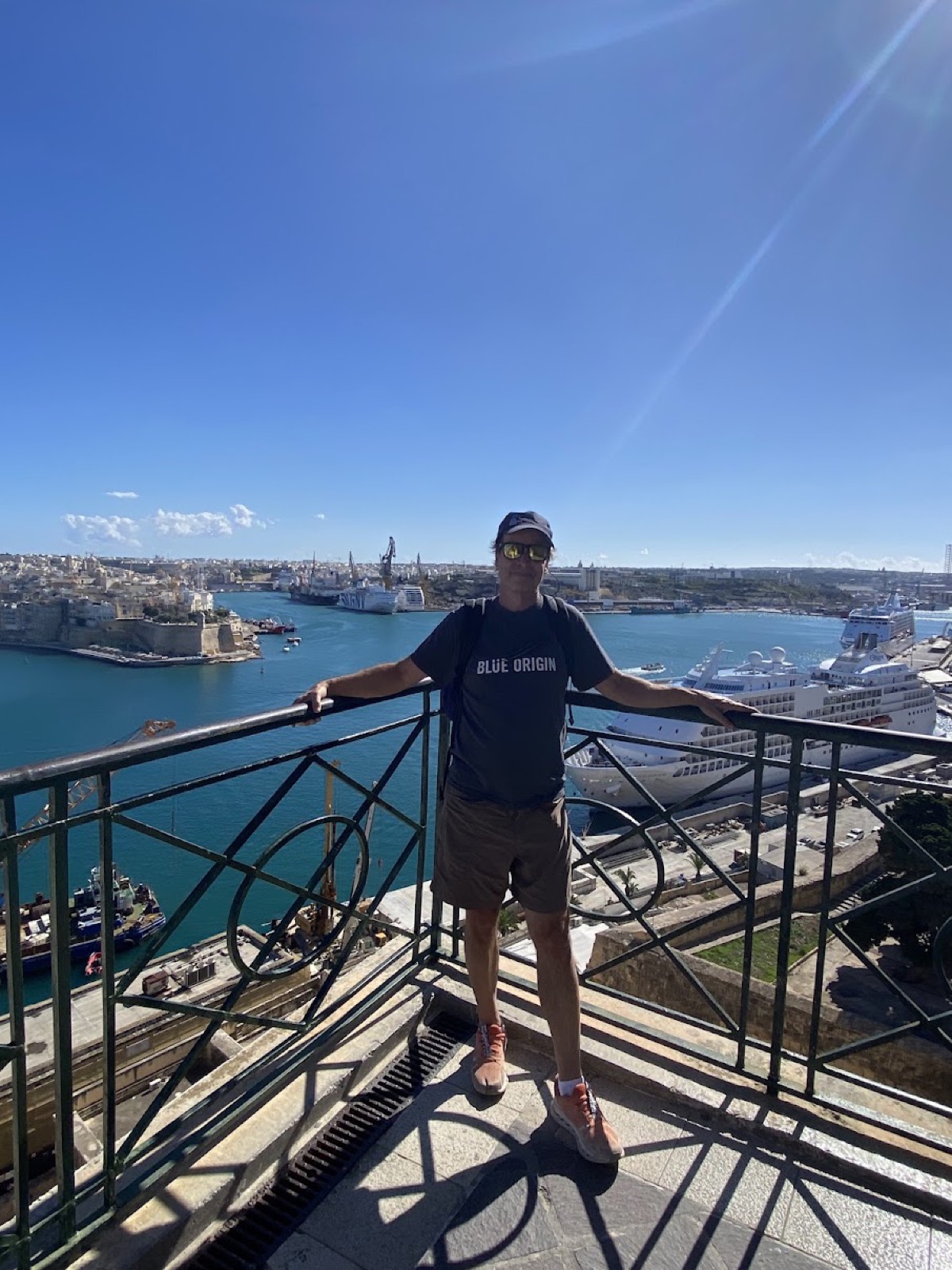
View from the fort

A nice brunch
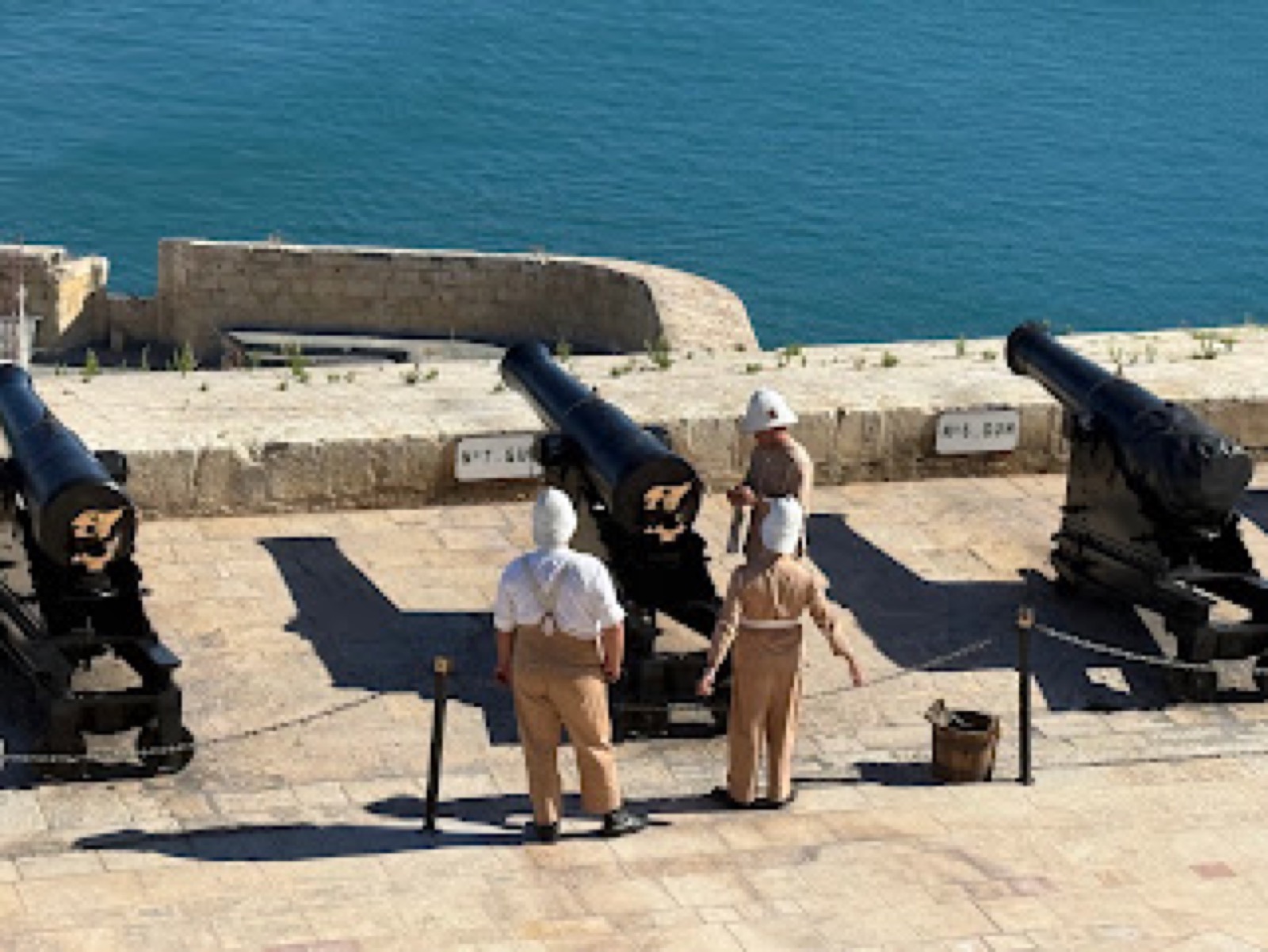
Preparing to fire the signal gun
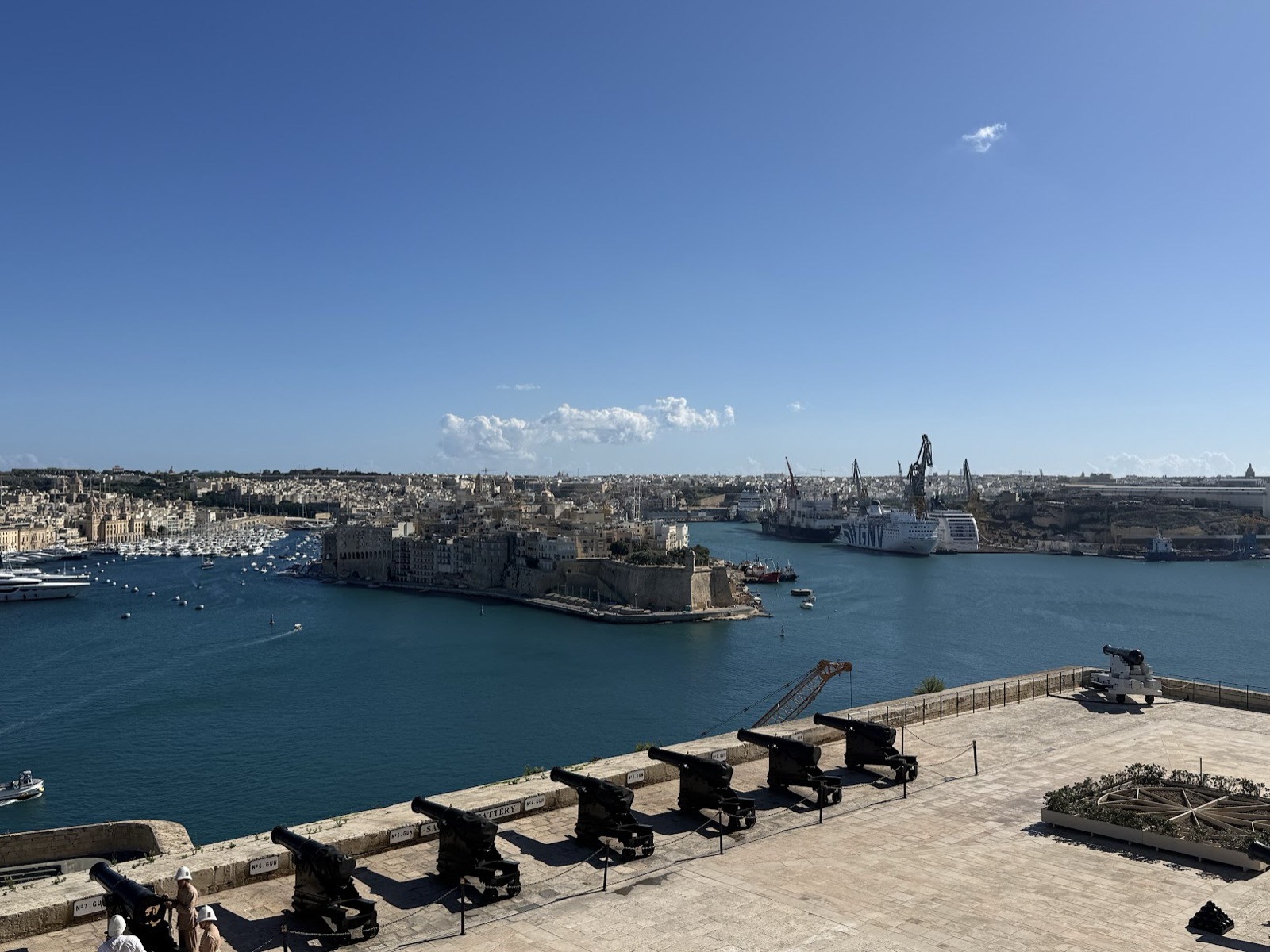
Another harbour view
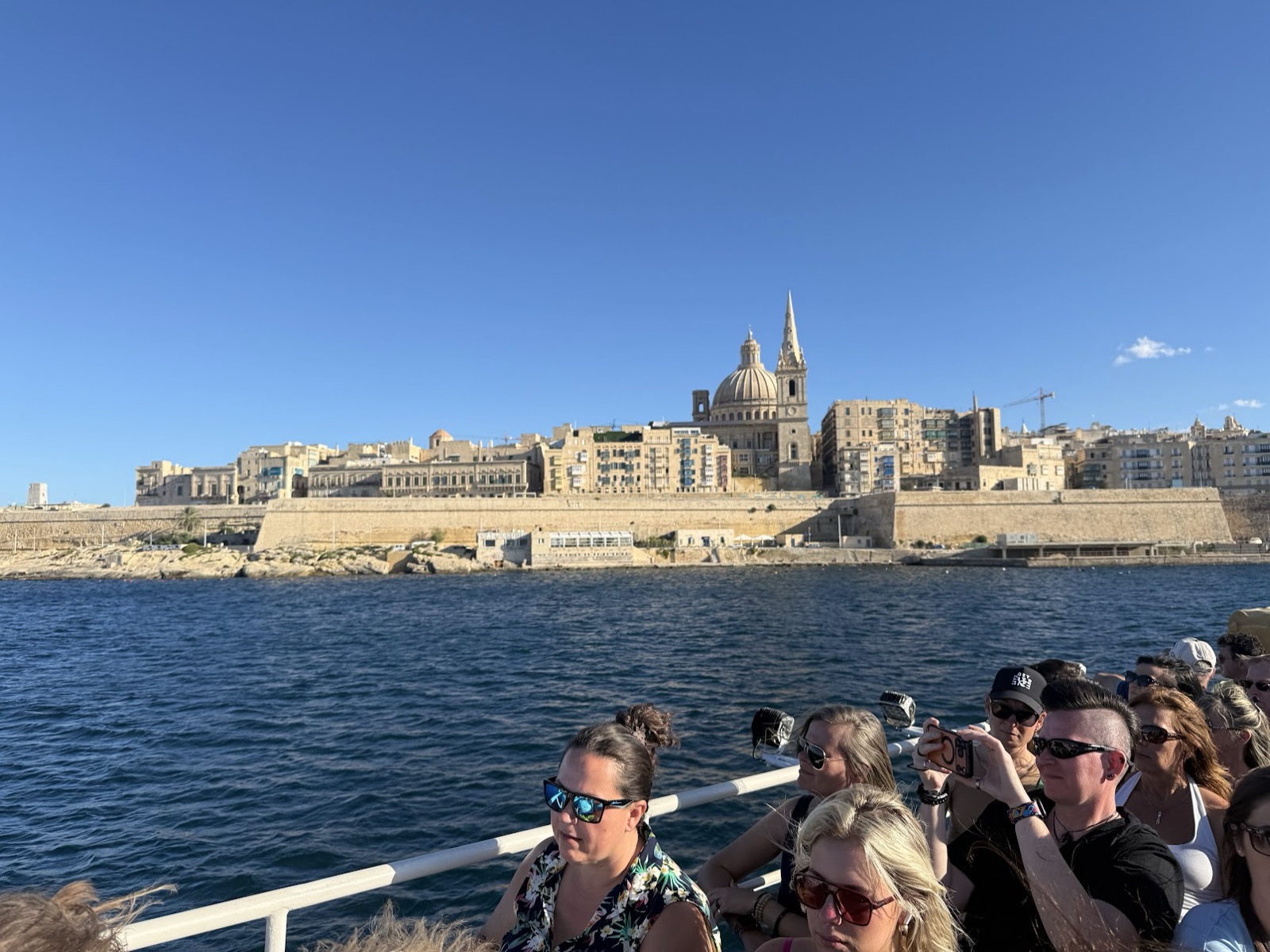
On the ferry returning to St. Julian’s Bay